FILMMAKING TIPS
5 Lighting Tricks Every Wedding Cinematographer Should Know
Why lighting makes or breaks a wedding film
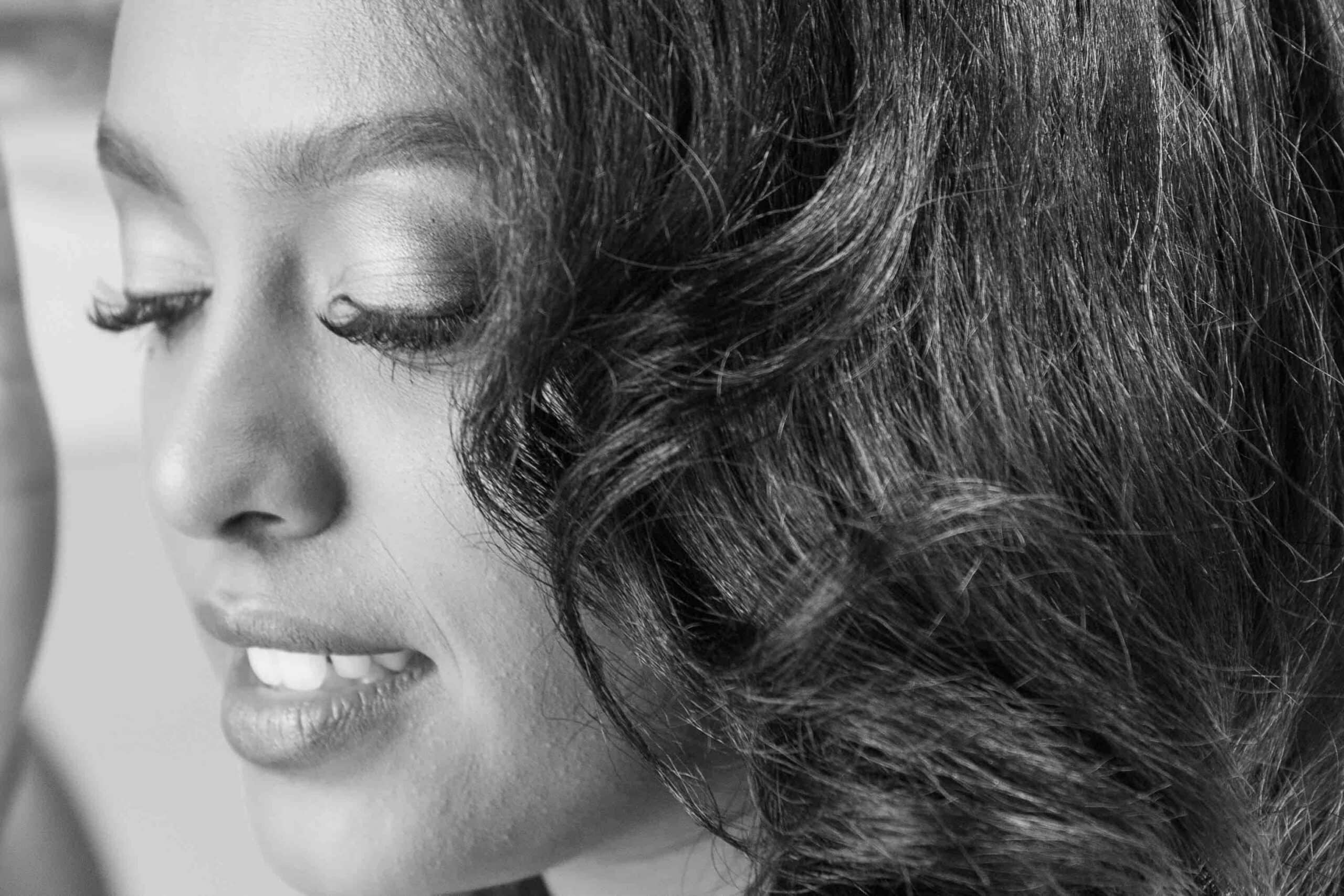
I've shot over 25 weddings at this point, and if there's one thing I keep coming back to, it's this: the camera matters way less than people think. Lighting is what separates a film that feels cinematic from one that just feels like footage. You can shoot on a great camera and still end up with flat, forgettable images if the light isn't working for you — or you can shoot on modest gear and get something gorgeous because you understood the light in the room. Here are five things I lean on at almost every wedding I film.
1. Golden hour first
If there's one non-negotiable in my planning, it's this. I always push to schedule the couple's portrait session around golden hour — that window right before sunset when the light goes soft and warm and just does half the work for you. I build this into the timeline from the very start of a booking, not as an afterthought. If you want to see how I map shoot timing into a full wedding day, my Estimate Calculator walks through how I structure packages around light, not just hours.
A few things I always do to make the most of it:
Scout the location a day before, at the same time of day the portraits will happen — light behaves differently than you'd expect from photos alone
Bring a reflector for fill, even on a "clear" evening — you'll be surprised how much shadow needs lifting
Shoot into the light when I can, for that natural rim glow around the couple — it's a small move that reads as expensive on camera
2. Bounce, don't blast
Reception lighting is almost never your friend. Venues love string lights and moody uplighting for the room, but pointed straight at a camera sensor, it turns into harsh, ugly light fast. My go-to fix is simple: bounce an on-camera light off a ceiling or a nearby wall instead of firing it directly at people. It softens the light almost instantly and keeps skin tones looking natural instead of blown out. White or neutral-colored ceilings work best — a colored wall will tint your bounce, which is sometimes a happy accident and sometimes a problem, so I always check the color before I commit to it.
3. Build a lighting kit that actually fits in one bag
Early on, I over-packed. Big stands, multiple modifiers, more gear than I could realistically set up between a ceremony wrap and a reception entrance. These days my kit is small on purpose: one compact LED panel, a shoot-through umbrella that collapses down, and a reflector that folds flat. Weddings move fast, and the best light setup is the one you can actually deploy in the two minutes you're given. If your gear takes longer to rig than the moment lasts, you've already lost the shot.
4. Warm up your color temperature indoors
Most reception venues mix light sources — tungsten uplighting, LED string lights, maybe a projector throwing cool blue light on a screen. Left unchecked, that mix reads as muddy or clinical on camera. I dial my white balance slightly warm on purpose, even past what looks "accurate" on the monitor, because warmth is what makes a reception feel intimate instead of sterile. It's a small adjustment, but it's the difference between a film that feels like a memory and one that feels like security footage.
5. Let shadows do some of the work
Not every frame needs to be evenly lit. Some of my favorite shots from the last few years are the ones where I let part of the frame go dark on purpose — a groom lit only on one side while he reads his vows, a couple in silhouette walking out of the reception doors. Shadow adds shape and mood, and it's usually more honest to how the moment actually felt than a perfectly flat, evenly-exposed frame would be. Don't be afraid to underexpose slightly and trust that the story still reads.
Ready to plan your own wedding film?
Lighting is just one piece of how I approach a wedding day — the bigger picture is building a timeline that gives every moment room to breathe. If you're planning ahead, start with my Estimate Calculator to see how packages and timing come together, or get in touch directly and let's talk through your date.
Kommentare
Noch keine Kommentare — teile als Erste·r deine Gedanken.